
Expert Views on Hypopara

Expert Views on Hypopara
The Seeds of Change initiative is committed to supporting greater understanding of hypoparathyroidism (hypopara) and the impact it has on patients’ lives. Through collaboration with leading professionals in hypopara, we explore the complexities of hypopara management, share insights from real patient experiences, and reflect on how clinical practice can continue to evolve – helping healthcare professionals better support those living with this rare condition.
Beyond the Numbers: Breaking Down Misconceptions in Hypoparathyroidism
Dr Hassan-Smith reflects on the potential limitations of a metrics-only approach to hypopara management, the need to recognise psychological burden, long-term complications, and the role of patient empowerment and community support in improving outcomes.
Download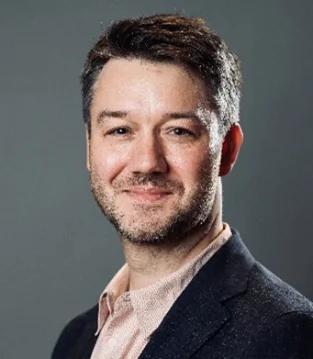
By Dr Zaki Hassan-Smith, Honorary Consultant Endocrinologist, University Hospitals Birmingham NHS Foundation Trust; Clinical Associate Professor, Aston University.
The Silent Condition: Managing Long-Term Complications in Hypoparathyroidism
Dr Abbas focuses on the often-overlooked long-term complications of hypopara, including renal, cardiovascular, bone and cognitive risk.
He highlights the importance of proactive monitoring, multidisciplinary care and patient education to achieve improved long-term outcomes for people living with hypopara.
Download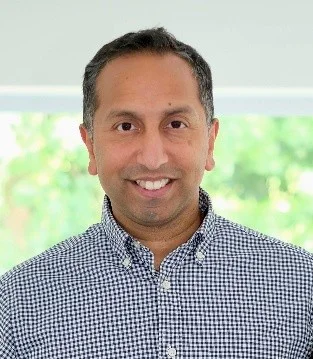
By Dr Afroze Abbas, Consultant Endocrinologist, Leeds Teaching Hospitals NHS Trust.
Missing from the Metrics: Navigating Symptom Fluctuations in Hypopara Care for Women
Dr Victoria Stokes discusses the challenges faced by women living with hypoparathyroidism, particularly during pregnancy, postpartum, and perimenopause, where hormonal fluctuations and life stages complicate symptom management and monitoring. She highlights the potential limitations of current care models that rely on infrequent biochemical assessments, advocating for more dynamic, patient-centred approaches.
Download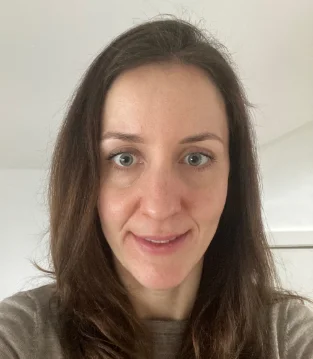
By Dr Victoria Stokes, Consultant Endocrinologist at Cambridge University Hospitals NHS Foundation Trust.
Think Calcium, Think Long-Term: Bridging the Gaps in the Hypoparathyroidism Care Pathway
Professor Selby Professor Selby provides advice on identifying and addressing gaps in the hypopara patient pathway, and the importance of primary and secondary care professionals remaining vigilant to calcium monitoring and the risk of long-term consequences.
Download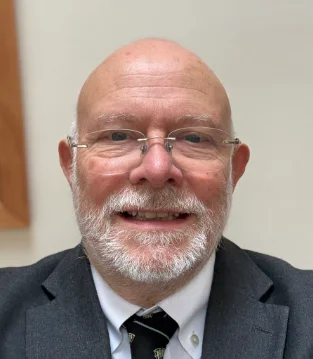
By Professor Peter Selby, Consultant Physician and Honorary Clinical Professor of Metabolic Bone Disease.